
Most traders obsess over the big headlines like Nonfarm Payrolls, CPI releases, and central bank decisions. While these events undoubtedly move markets, there’s a quieter layer of overlooked news events that can spark equally significant, if not more surprising, forex moves. Knowing how to spot these subtler catalysts can give traders an edge in identifying hidden opportunities before the crowd reacts.
Beyond the headline numbers
It’s easy to assume that only the major economic events matter. Yet, markets often price in expectations for well-telegraphed announcements. By contrast, overlooked events often catch traders off guard, leading to sharp, asymmetric moves. Examples include:
- Trade balance reports: Shifts in imports/exports can reveal deeper macroeconomic trends that eventually feed into currency strength or weakness.
- Political speeches: Comments from finance ministers, EU commissioners, or even regional governors can shift sentiment, even when they aren’t headline central bank figures.
- Corporate earnings surprises: For export-heavy economies like Japan or Germany, weak earnings reports in major industries can hint at future trade imbalances.
Regional politics and “local” data

Sometimes the most market-moving information doesn’t come from Washington, London, or Frankfurt but from local events with global implications.
For instance:
- A sudden election result in Italy may weaken EUR due to fiscal concerns.
- A strike in South Africa’s mining sector can impact ZAR by tightening commodity supply.
- Agricultural data from Brazil may influence BRL, especially during times of global food inflation.
These aren’t always covered on the front pages of global financial news, but they ripple into currency markets in ways that sharp traders can exploit.
Sentiment-driven micro events

Currencies also react strongly to sentiment shocks that appear minor at first glance. Consider:
- Credit rating agency updates (S&P, Moody’s, Fitch) that downgrade sovereign debt.
- Unexpected trade deals or tariffs, even if limited to specific goods.
- Geopolitical skirmishes or sanctions, which may not dominate headlines but affect commodity-linked currencies almost instantly.
For example, a mid-week credit downgrade of Turkey’s bonds may not lead global news bulletins, but TRY traders will feel the effect immediately.
How traders can spot these overlooked triggers
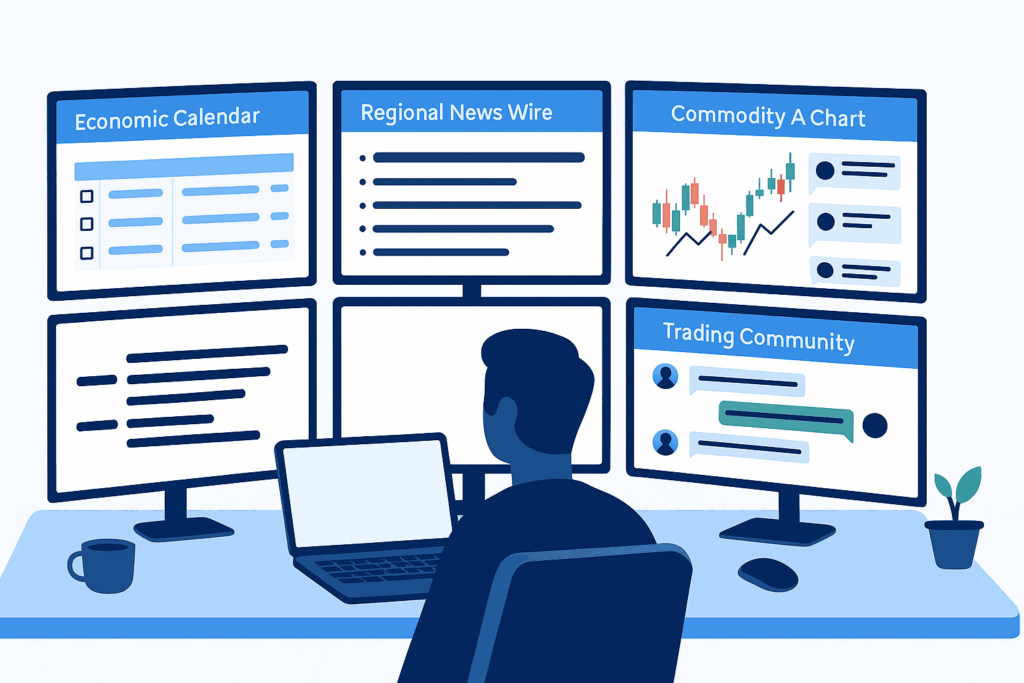
Catching these opportunities requires going beyond mainstream news sources. Practical steps include:
- Monitoring economic calendars for secondary data releases, not just Tier 1 events.
- Following regional news wires (like Scandinavian or Asian outlets) for local developments.
- Tracking commodity-specific news that correlates with currencies (e.g., oil for NOK, iron ore for AUD, wheat for CAD).
- Joining trading communities or forums where traders often share real-time, overlooked market reactions.
Why these events matter more than expected

Because overlooked events are not widely anticipated, they can create cleaner, less crowded trades. While everyone is positioning around NFP, far fewer are preparing for a surprise trade balance miss in Japan or a sudden Norwegian fiscal announcement. That lack of attention means traders who catch it first can ride moves before the broader market catches on.
Final thoughts

In forex, edge often comes from paying attention to what others dismiss. By learning to spot and react to overlooked news events whether they are trade data quirks, political remarks, or regional disruptions traders can uncover opportunities that are hidden in plain sight. The key isn’t just reacting faster but also training yourself to see what others overlook.