
Scalping has long been a favorite among professional traders because it extracts profit from small, frequent moves in the market. What many retail traders don’t realize is that banks and institutional desks have their own hidden scalping tricks methods that rarely make it into trading textbooks. While they may not openly share these approaches, understanding the logic behind them can give independent traders an edge.
1. Liquidity Zones Are Goldmines

Banks know that liquidity is where scalping thrives. Instead of trading randomly, they focus on areas where orders stack up:
- Round numbers like 1.2500 in GBP/USD
- Session opens/closes (London and New York especially)
- Stop clusters around recent highs/lows
By targeting these levels, banks can scalp small bursts of volatility when liquidity is high, making execution smoother and slippage lower.
2. Latency Arbitrage (Speed as an Edge)
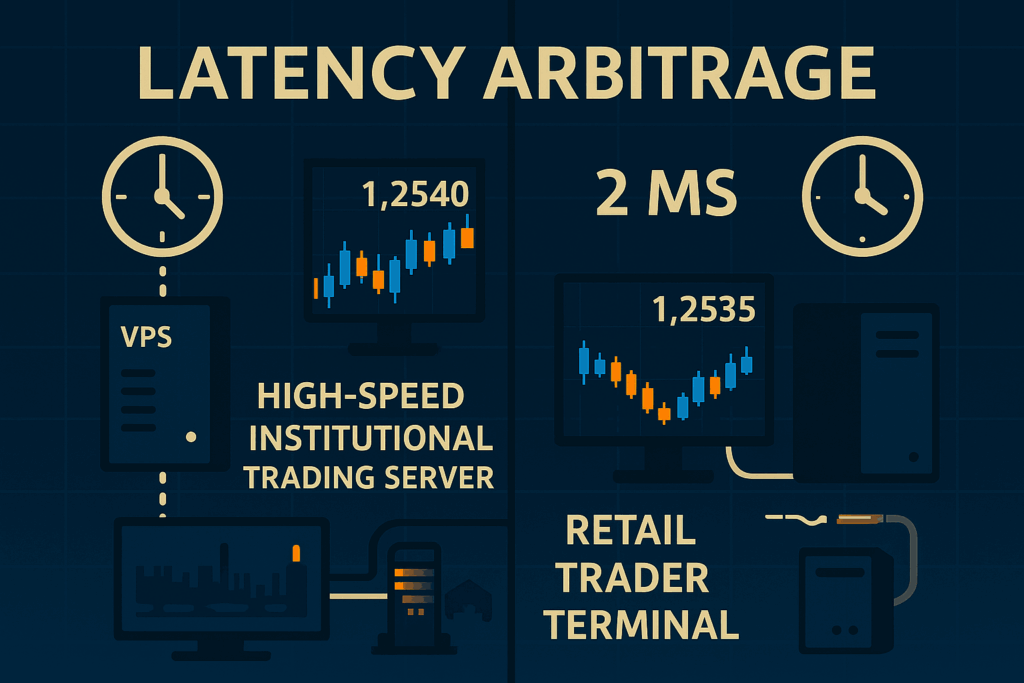
One of the “hidden” tactics used by institutional desks is exploiting latency the microseconds of difference between price feeds. With faster access to market data, banks can enter trades before retail traders even see the move. While retail traders can’t compete at the same level, they can still mimic the approach by:
- Using low-latency brokers
- Running VPS servers close to trading hubs
- Choosing pairs with higher liquidity to minimize lag
3. The Power of Hidden Orders
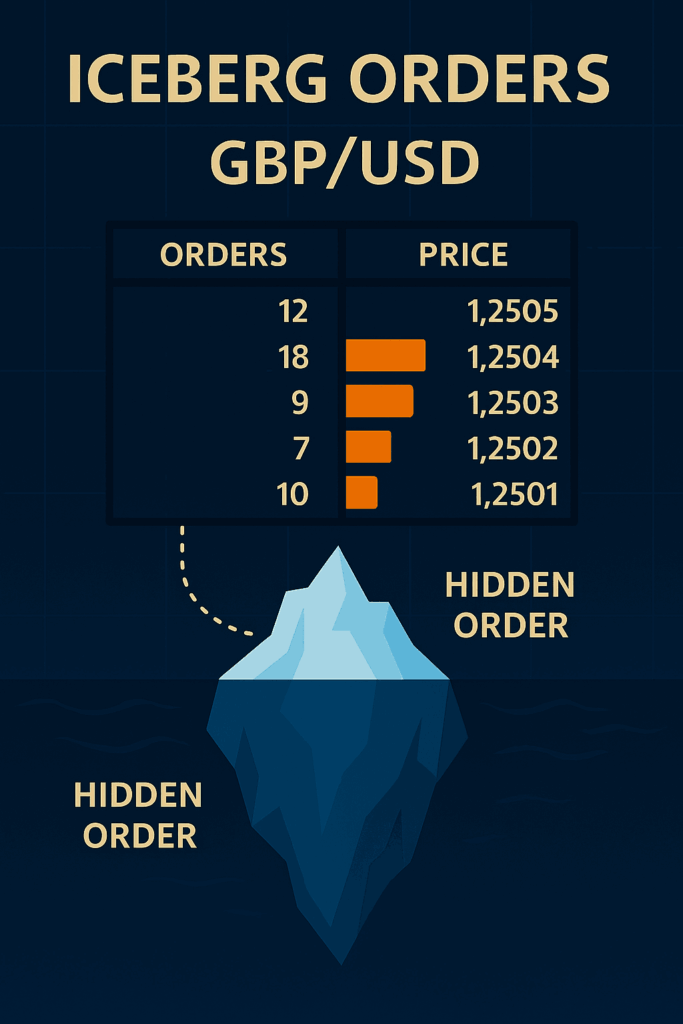
Banks often use iceberg orders large orders split into smaller visible chunks. This lets them scalp without revealing their full size to the market. For retail traders, the equivalent trick is watching the order book depth and spotting where big players are likely hiding their positions. Entering just before liquidity fills can mean quick, low-risk scalps.
4. Cross-Pair Confirmation

Another trick is confirming scalp entries by monitoring correlated pairs. For instance, if GBP/USD shows a quick scalp setup, banks will glance at EUR/USD or USD/JPY to confirm whether the dollar side of the move has momentum. This reduces false entries and gives scalps a higher win rate.
5. Session Timing Hacks
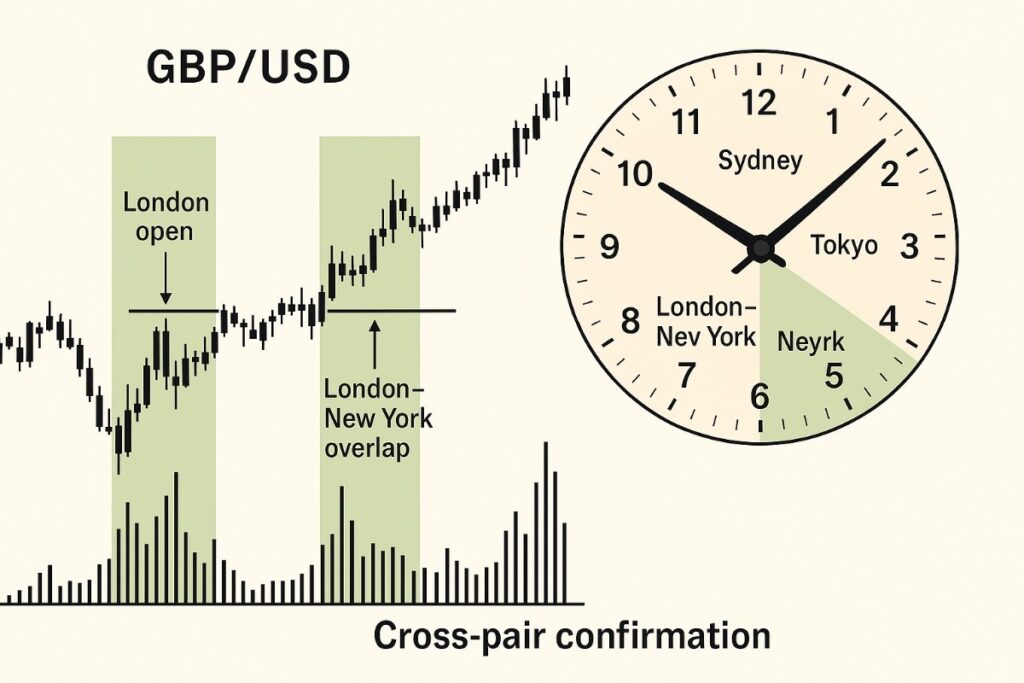
The first 30–60 minutes of the London open are some of the most profitable scalping windows. Banks know this and position themselves accordingly, catching bursts of liquidity as global traders pile in. Likewise, the London–New York overlap offers another high-volume window ideal for scalping. Timing your trades like a bank can drastically improve results.
6. Risk Management: The Real Secret
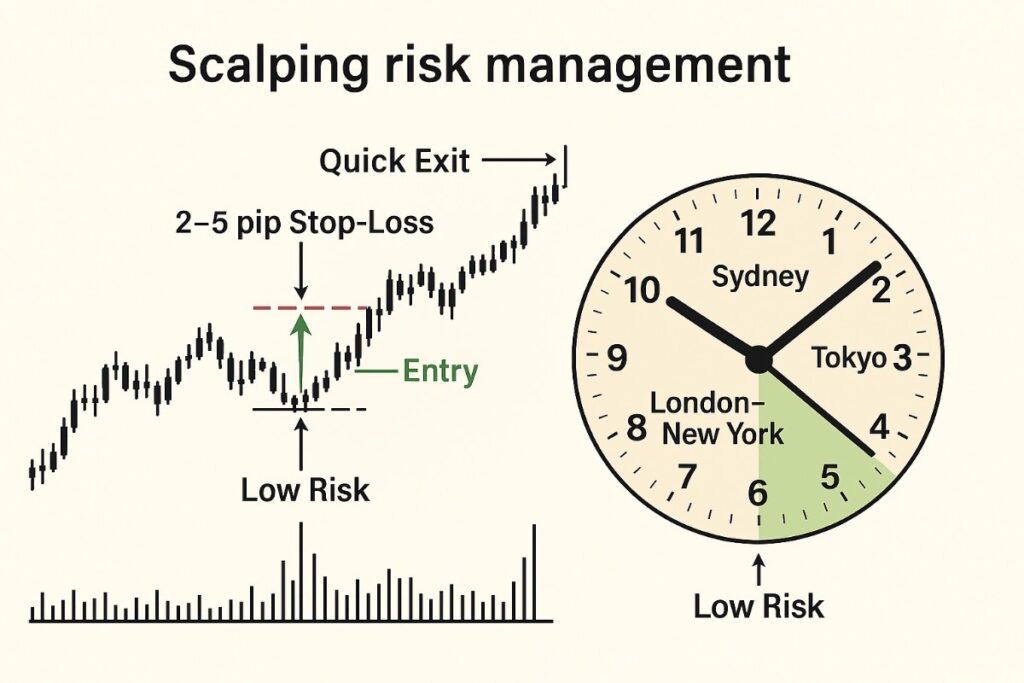
The ultimate hidden trick isn’t about finding the setup, it’s about managing risk like a bank. Institutions scalp with:
- Tight stops (2–5 pips)
- High win-rate setups only
- Quick exits instead of waiting for extended runs
Retail traders often fail because they overstay trades. Banks treat scalping like fishing: cast, catch, exit.
Conclusion

Scalping is not about luck, it’s about precision, speed, and discipline. While banks have the advantage of technology and order flow data, retail traders can still adapt their strategies by focusing on liquidity zones, timing their trades around sessions, confirming with correlated pairs, and keeping risk extremely tight.
The biggest “hidden trick” is consistency banks scalp hundreds of times with small profits that add up. For retail traders, adopting even a fraction of these methods can turn scalping into a profitable edge.